Black Cherry (Prunus serotina)
$40.00
Categories: Bird Habitat | Medium-Sized Trees | Mesic Site | Wildlife
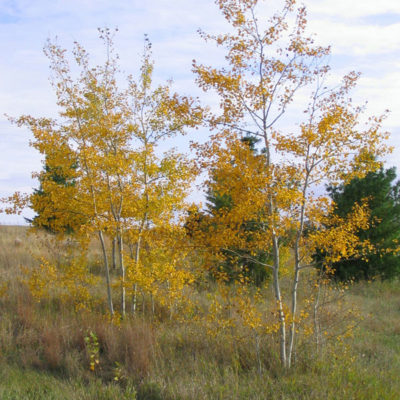
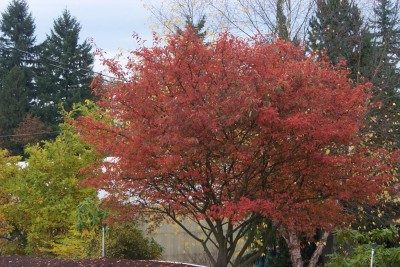
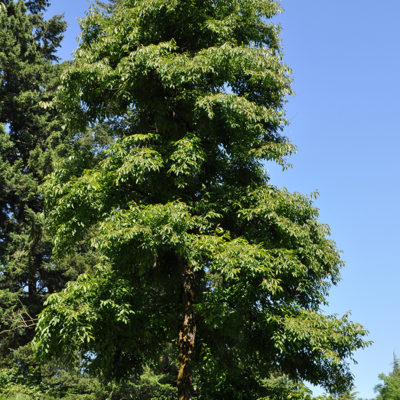
Black Cherry is a fast-growing native tree valued for its ecological importance, fragrant spring blooms, and multi-season interest. Found naturally in both upland and lowland woodlands, this adaptable species develops a rounded canopy and typically reaches 30–40 feet tall and wide in Eastern Nebraska. Black Cherry is widely recognized as a keystone species for the Great Plains, supporting a large number of native butterflies and moths while contributing valuable habitat and seasonal food resources to the ecosystem. Glossy green foliage provides a lush summer canopy before turning golden-yellow to orange in fall. Mature trees develop distinctive dark, scaly bark, adding winter interest and character to the landscape.
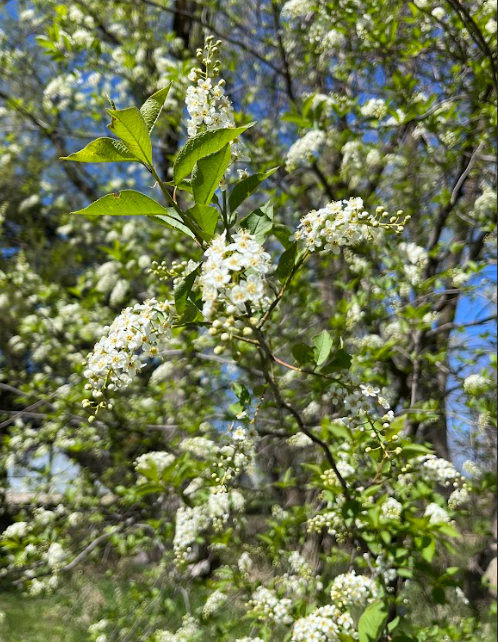
In spring, Black Cherry produces pendulous clusters of fragrant white flowers that attract pollinators and beneficial insects. These profuse blooms are followed by small cherries that ripen from red to deep purple-black in late summer, providing an important food source for birds and wildlife. While the fruits are too bitter to eat fresh, they have traditionally been used in jellies, preserves, syrups, and flavoring. Bark, roots and leaves contain concentrations of toxic cyanogenic compounds, hence the noticeable bitter almond aroma of the inner bark. The species is also valued for its beautiful reddish-brown wood, long used in fine woodworking and cabinetry.
NATIVE RANGE
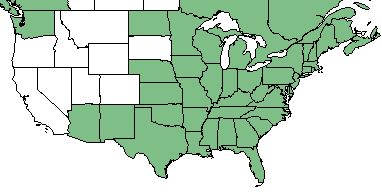
Map courtesy of USDA-NRCS Plants Database.
Photos courtesy of Justin Evertson, Nebraska Statewide Arboretum
Larger sizes available for local customers.
Check availability here.
Additional information
| Scientific Name | Prunus serotina |
|---|---|
| Height | 30-40' |
| Spread | 30-40' |
| Shape | Rounded |
| Foliage | Glossy green |
| Fall Foliage | Golden-orange, Yellow |
| Native To | Eastern U.S., Great Lakes Region, NE, Northern Plains States, Southern Plain States |
| Zone | 3 |
| Size | 1 Gallon |