Bur Oak (Quercus macrocarpa)
$40.00
Category: Trees | Windbreak | Wildlife | Bird Habitat | Drought Tolerant | Dry Site | Sandy Site | Urban Site | GreatPlants for the Great Plains | Pollination
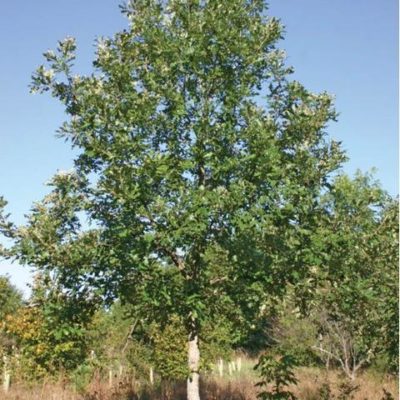
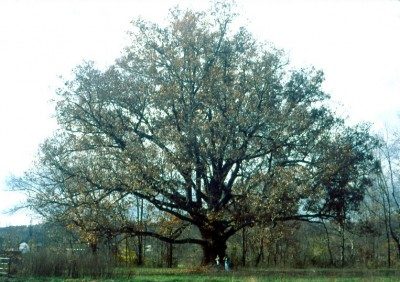
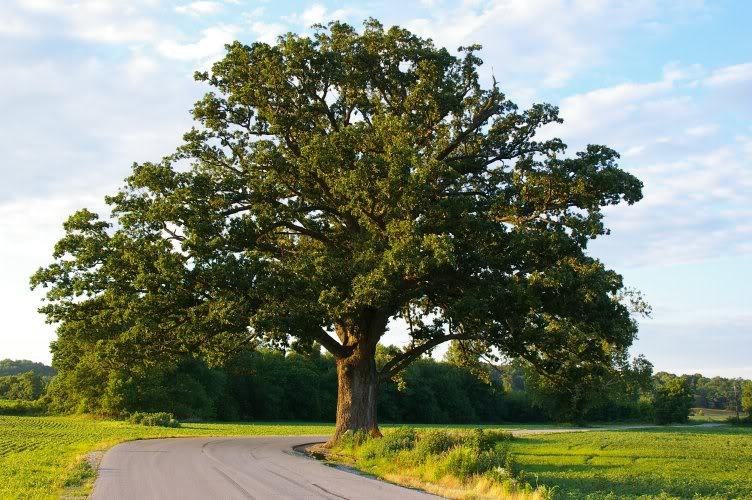
The Bur Oak (Quercus macrocarpa) is one of the most iconic and enduring native oaks of North America. A member of the white oak group, this majestic tree typically reaches 60–80 feet tall (sometimes up to 150 ft in ideal conditions) with a broad, rounded crown that provides exceptional shade and structure in the landscape.
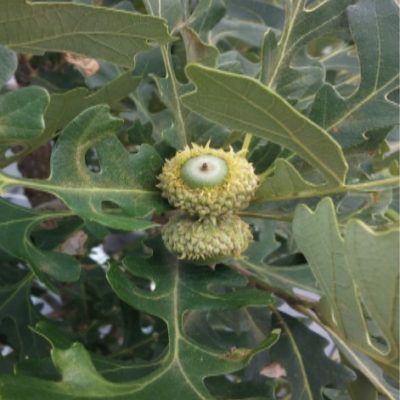
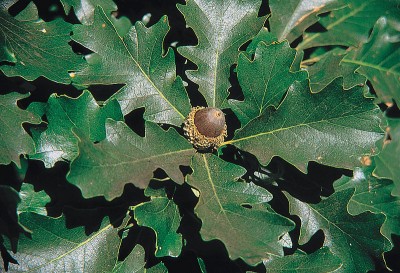
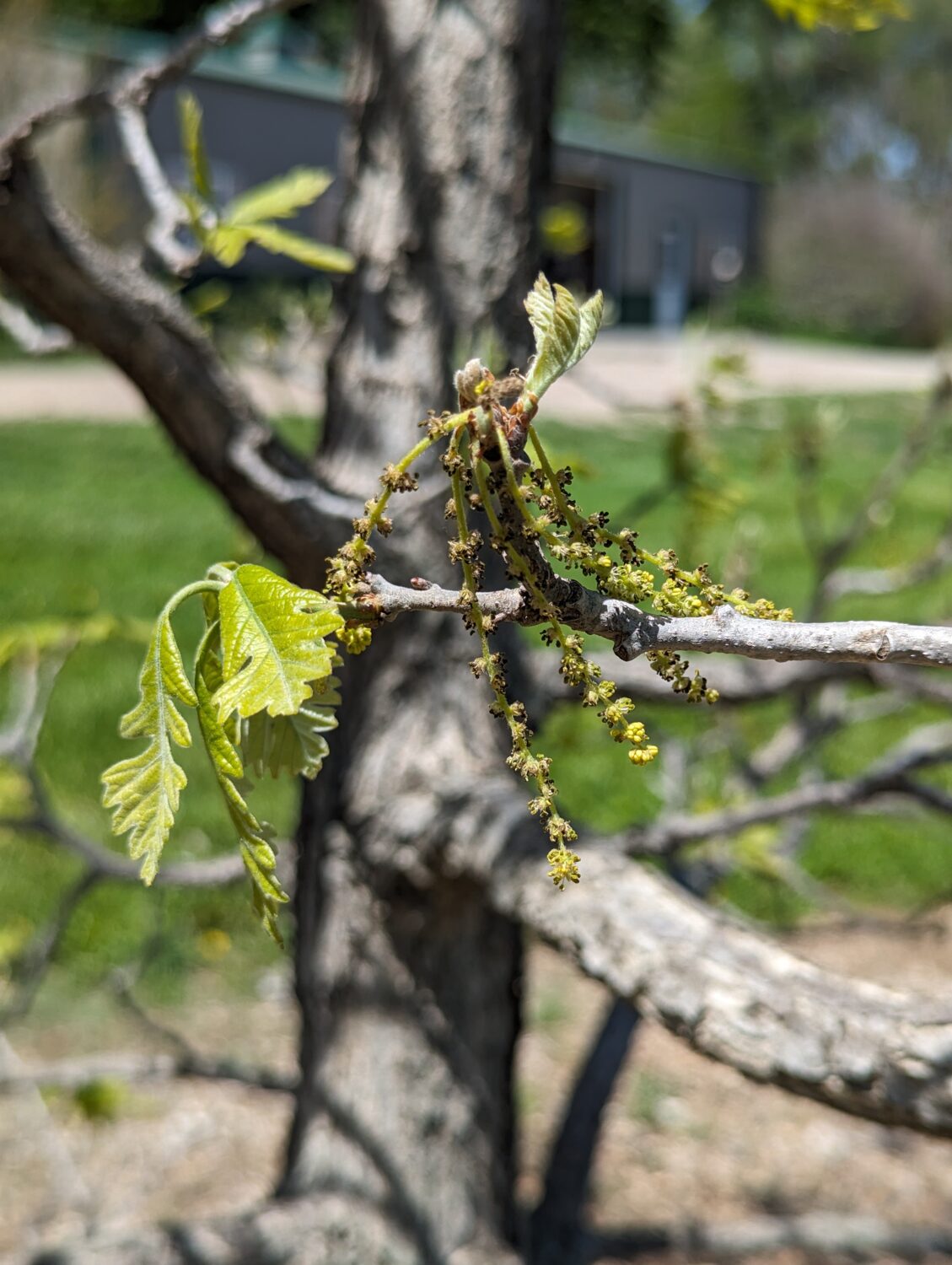
Adapted to diverse habitats across the Great Plains, Midwest, and Central U.S., Bur Oak is remarkably drought-tolerant and long-lived. In spring, yellow-green catkins emerge with the leaves, followed by distinctive oval acorns enclosed in fringed, “burred” cups—a prized food source for wildlife such as deer, turkeys, and songbirds.
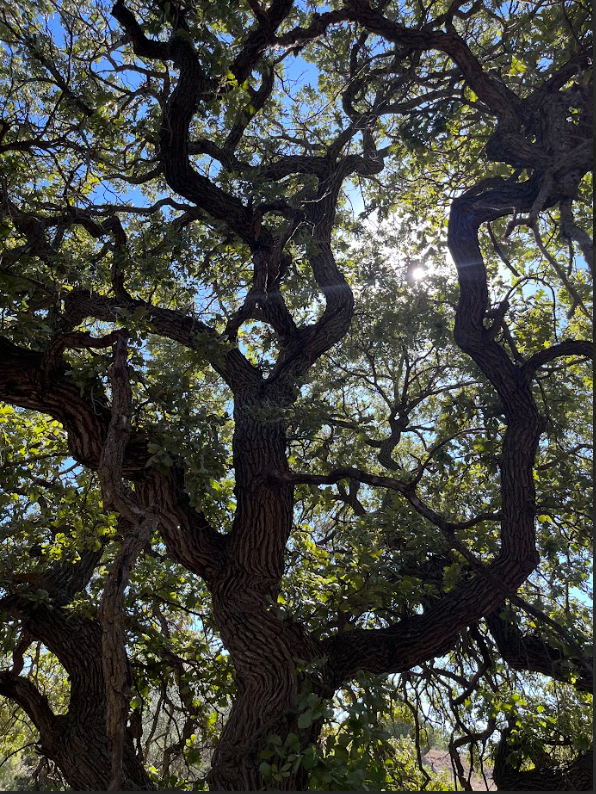
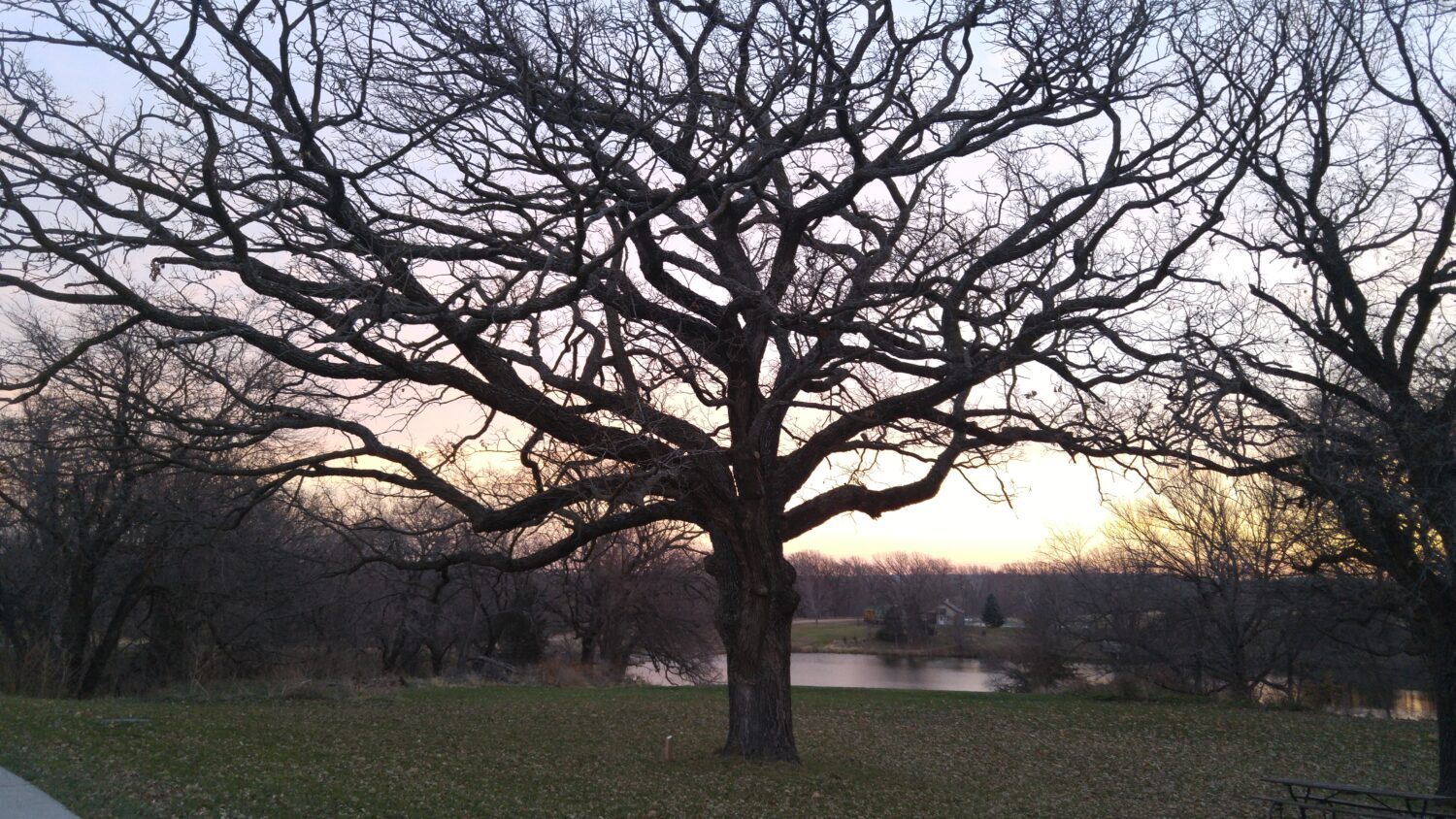
The dark-green leathery leaves, pale beneath, turn yellow-brown to soft purple in fall. Twigs often feature corky ridges, adding winter interest. A 2004 GreatPlants Award Winner and ReTree Nebraska recommended species, the Bur Oak is valued for its resilience, beauty, and ecological importance.
Planting & Care
Plant in full sun and well-drained soil. Bur Oak tolerates dry, sandy, or clay conditions, thriving even in urban or wind-exposed sites. Water regularly during establishment; once mature, it withstands drought, wind, and temperature extremes. Allow space for its wide-spreading crown and deep root system.
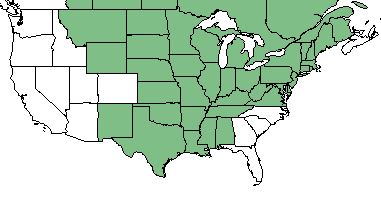
NATIVE RANGE
Larger sizes available for local customers.
Check availability here.
Additional information
| Scientific Name | Quercus macrocarpa |
|---|---|
| Height | 50-75' |
| Spread | 60-80' |
| Shape | Rounded, open |
| Foliage | Dark green above, grayish beneath |
| Fall Foliage | Yellow-brown to purple |
| Native To | Eastern Midwest Region, Eastern U.S., Great Lakes Region, NE, Northern Plains States, Southern Plain States, Western U.S. |
| Zone | 3 |