
Chinkapin Oak (Quercus muehlenbergii)
$40.00
Categories: Bird Habitat | Drought Tolerant | Dry Site | GreatPlants for the Great Plains | Large-Sized Trees | Mesic Site | Pollination | Wildlife
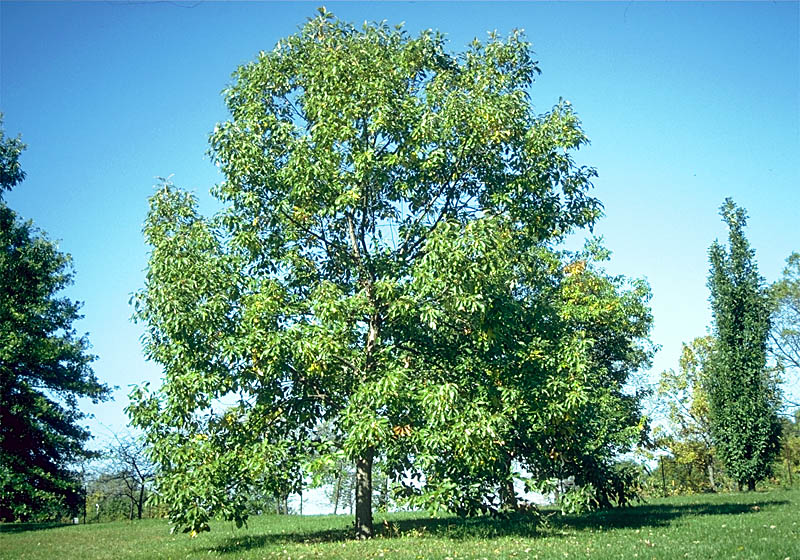
Chinkapin Oak is a durable, adaptable native oak valued for its tolerance to alkaline soils, wildlife benefits, and strong landscape performance. While many oaks prefer acidic conditions, Chinkapin Oak stands out for its ability to thrive in high pH soils, making it an excellent choice for Great Plains and Midwest landscapes.
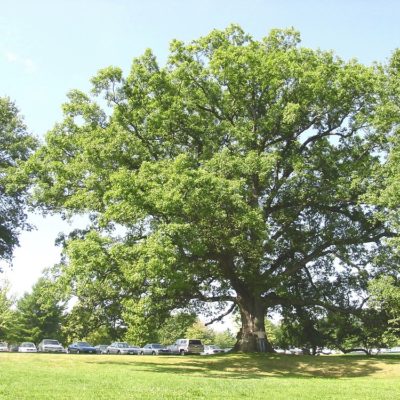
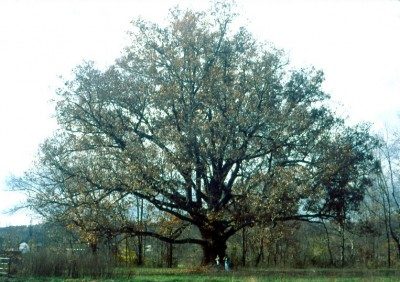
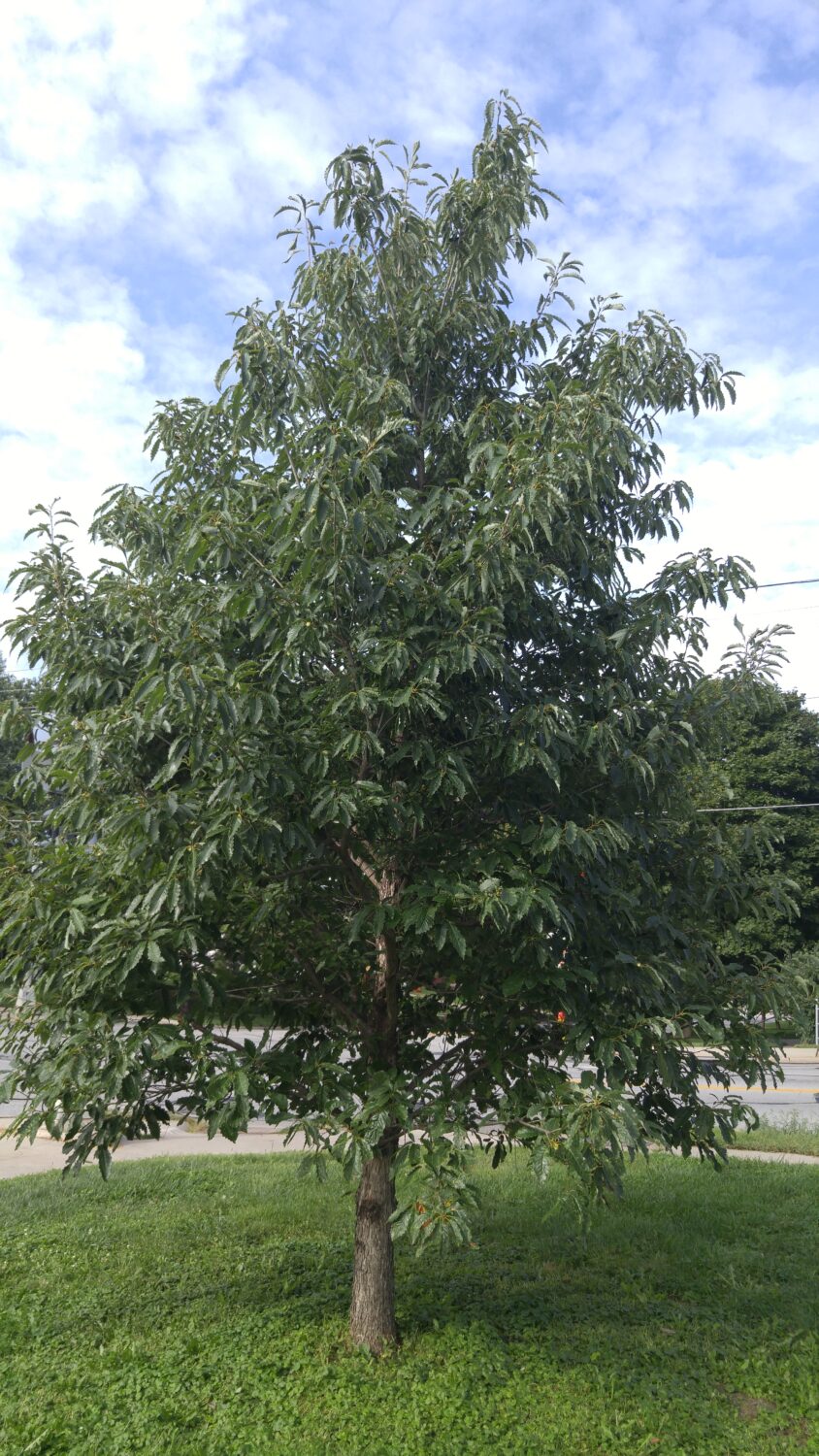
In the wild, it is often found on dry, rocky sites, but in cultivation it performs especially well in moist, well-drained soils, where it can develop into a broad, open-canopy shade tree. Typically reaching 40–60 feet tall with a spread up to 50 feet, it provides generous shade and long-term structure.
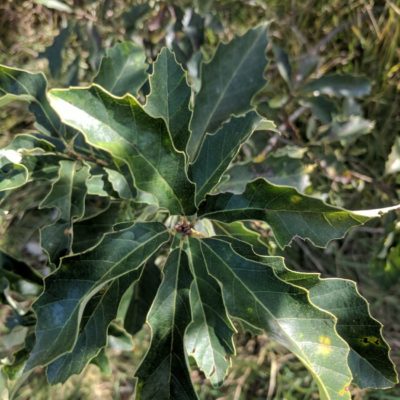
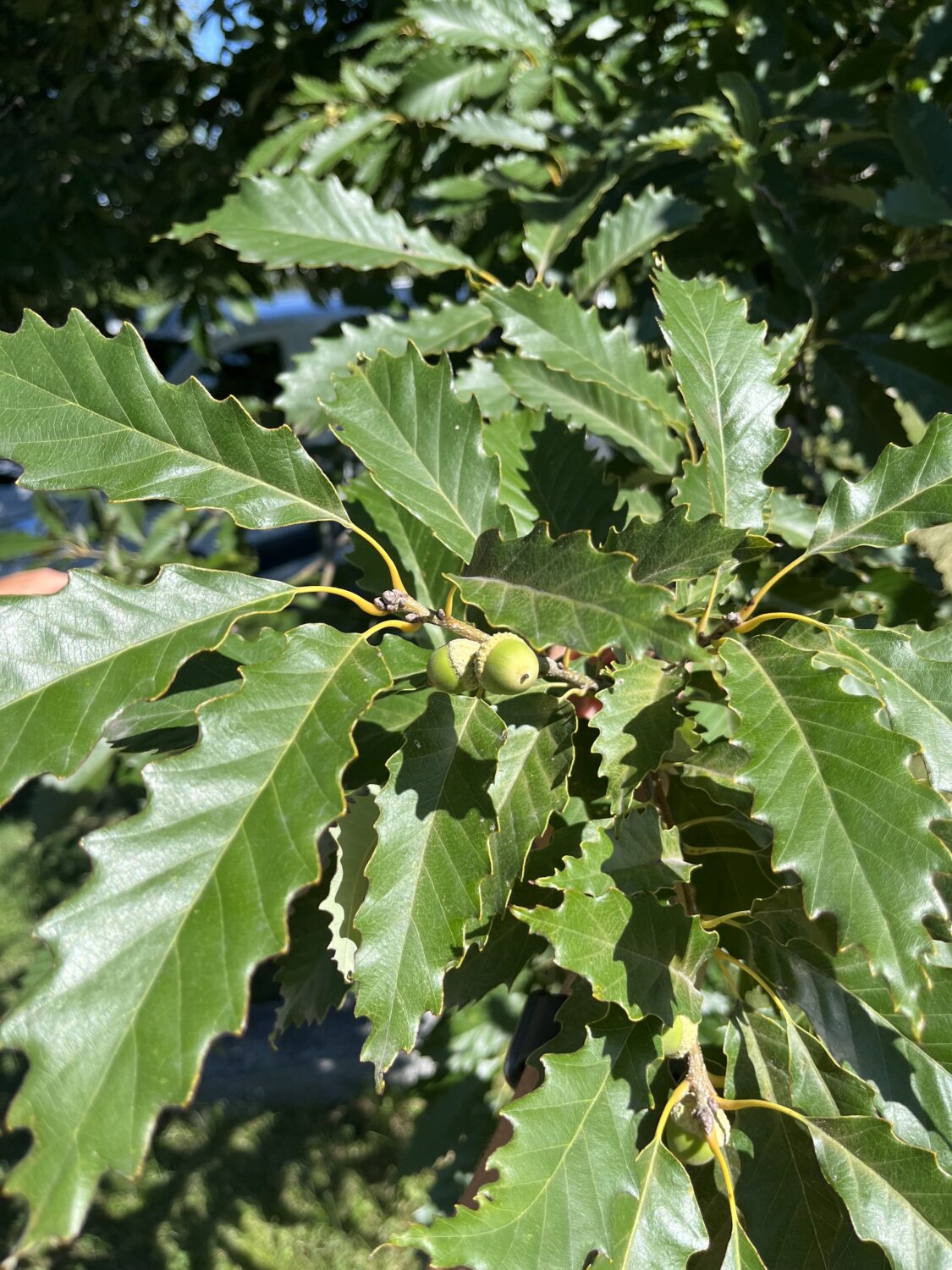
Its sharp-toothed, dark green leaves have a lighter underside, creating subtle texture and movement in the canopy. In fall, foliage turns yellow to orange-brown, adding seasonal interest.
Unlike many oaks, Chinkapin Oak can begin producing acorns at a relatively young age—often within 7–8 years—making it a valuable species for wildlife support, particularly for birds and mammals that rely on acorns as a food source.
Though oaks are often considered slow-growing, Chinkapin Oak typically shows a moderate growth rate, especially when planted in favorable conditions.
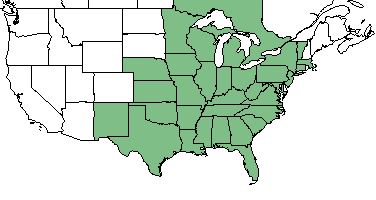
NATIVE RANGE
Larger sizes available for local customers.
Check availability here.
Additional information
| Scientific Name | Quercus muehlenbergii |
|---|---|
| Height | 40-60' |
| Spread | 50' |
| Shape | Rounded, open |
| Foliage | Dark green |
| Fall Foliage | Yellow, orange, brown |
| Native To | Eastern U.S., NE, Northern Plains States, Southern Plain States |
| Zone | 5 |
| Size | 1 Gallon |